

This state is so determined to fulfill its dream of a zero-emissions power grid that it’s willing to risk future blackouts. On paper, California will have sufficient energy resources even with the decision to shutter three aging natural gas generating units. But only if the weather cooperates.
By the end of 2045, “renewable energy resources and zero-carbon resources” must “supply 100% of retail sales of electricity to California end-use customers and 100% of electricity procured to serve all state agencies” under Senate bill 100 (2018).
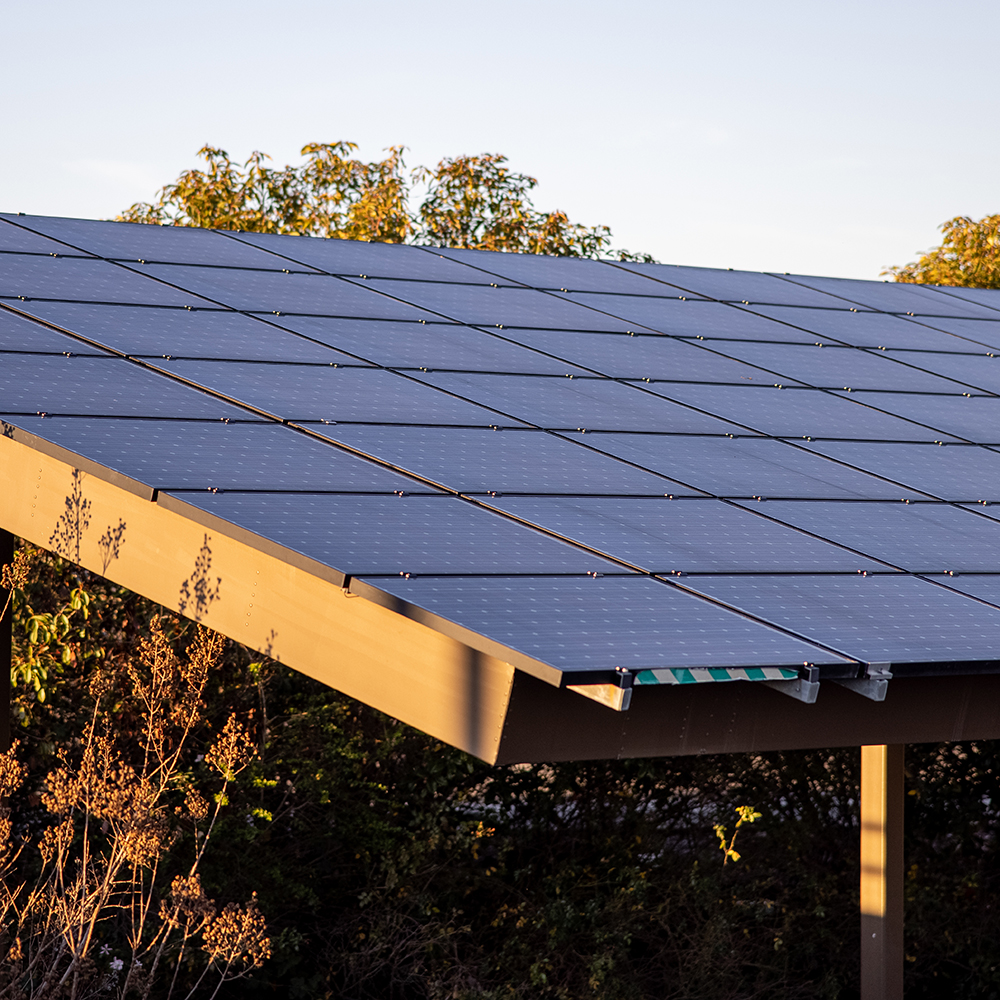
To reach this target and maintain reliability, the state has been pairing solar power plants with battery backup systems. If all works as planned, the solar plants will provide electricity during the day, and the battery backup systems keep the lights on in the high-use evening hours when solar generators go dark.
As this strategy has been unfolding, policymakers realized more backup reserves were needed to avoid rolling blackouts. Three legacy generating units that were scheduled to be closed in Ormond Beach, Alamitos and Huntington Beach facilities were temporarily extended.
Now believing California’s battery backup system provides a sufficient buffer, the California Energy Commission has chosen not to renew the contracts for these older units, which will expire at the end of December.
The retiring gas plants were undoubtedly old and inefficient. Still, Californians may soon miss the lost dispatchable power sources. California Energy Commission Vice Chair Siva Gunda might believe “we’re looking good,” but such optimism requires a sideways look at the facts.
The state endured the heat of 2026, challenged on Sept. 9 by the largest daily power demand since 2022, without resorting to emergency measures. The governor’s office called it “a major milestone in California’s nation-leading clean energy buildout.”
Maybe officials have known what they’re doing all along. That’s one way to look at it.
Or maybe they just got lucky. What if the Sept. 9 demand had been 4% higher, exceeding the all-time record in 2022? It’s worth recalling that there were 11 flex alerts asking consumers to voluntarily conserve power in the last eight months of 2022. Do officials believe that there will be no excessively hot days aheadm exhausting output?
Ensuring that there is sufficient electricity during the periods of extreme weather, not just during the expected conditions, is critical if California wants to avoid potential rolling blackouts (or worse).
The state should also ensure that the capacity buffer incorporates the potential underperformance of the battery energy storage systems. Exceptionally hot weather drains energy from these systems. There is also the risk that the heat will persist into the night and outlast the batteries’ capacity.
Not accounting for these challenges leaves the state vulnerable to energy shortages at key times of the day. The natural gas plant closures demonstrate that policymakers are failing to step up.
The California Public Utilities Commission’s uses a “Slice-of-Day” framework to ensure that there is sufficient electricity when consumers need it. We ran this framework without the natural gas backup resources, finding a troubling result: The state’s electricity power sources meet the state’s buffer thresholds for all times of the day only when the weather and technologies fully cooperate.
Throw in an exceptionally hot day, or underperforming batteries, and the generation buffers fall significantly below the required threshold during pivotal parts of the day. Without these natural gas backup resources, the risk of rolling blackouts is unacceptably high.
California’s renewables transition plan complicates the math. The state has a seemingly endless array of green mandates. At the top is the requirement that every new passenger car and light truck must be a zero-emissions vehicle by 2035.
The plan also converts water heaters, furnaces, and lawn equipment to electric versions. These mandates will further increase electricity demand that, according to our previous estimates, might outstrip production by more than 20% by 2045. This future rise in demand further increases the unreliability risks plaguing California’s grid.
Reducing greenhouse gases is important but so is energy reliability. Natural gas generators serve a crucial role ensuring that California’s electricity system can meet demand. Allowing contracts with these generators to expire based on optimistic projections increases the risks of rolling blackouts.
Wayne Winegarden, Ph.D., is a Pacific Research Institute senior fellow in business and economics.
Kerry Jackson is the William Clement Fellow in California Reform at the Pacific Research Institute.