

That’s just one facet of the recommendations delivered to Los Angeles Charter Reform Commission (CRC) members in April while the primary campaign was in full swing. An abundance of Angelenos clearly want something better than spending their tax dollars on failed policies, programs and virtue-signaling. LA residents certainly want functioning infrastructure.
Reforming the city’s blueprint for governance is a reasonable and well-intentioned idea, but all the charter changes and public meetings in the world won’t answer this basic question: Why can’t Los Angeles better handle the nuts and bolts of civic governance? The city’s ongoing problems with its aging water infrastructure serve as an allegory.
Against the complex CRC backdrop, the city has endured five major water-main failures in just a week, raising more questions about how city officials use existing tax dollars. There are 7,000 miles of pipe under the city, of which 6% are close to failure. The Los Angeles Department of Water and Power estimates that 30% of the pipes are more than 80 years old. The latest one that ruptured on Sunset Boulevard in July was from 1916.
Fixing problems is supposed to be the purpose of the CRC, which was convened for the first time in decades following a leaked audio of former council members’ racist remarks on gerrymandering. Created in 2024 by Mayor Karen Bass and the City Council, the commission had “the authority to review the entire charter and also specifically consider changes recommended by the council.”
Among the overarching concepts “suggested for review are improving the delivery of city services,” per the city’s explanation. The CRC includes 13 commissioner appointees confirmed by the council. The charter is essentially LA’s local constitution.
One-quarter of California cities are “charter cities” rather than “general law cities,” which grants them greater latitude in their governance. LA’s effort was notable for its well-intentioned desire to involve the public in developing proposed changes to its governing blueprint. The commission boasts that it held 52 public meetings, community town halls in every one of its 15 council districts, provided grants to solicit input from community organizations, and listened to more than 30 hours of public and expert testimony.
Hundreds of recommendations from the CRC, City Council and the community were narrowed down to 30. They are scheduled for distribution across eight separate measures for voters to decide on the November 3 ballot. Six are charter amendments; the other two aren’t. Once an amendment gets into the charter, it can only be changed or repealed by voters in a subsequent election.
Given the city’s expanding water-main problems, Charter Amendment LA asks voters to approve a capital infrastructure plan and increase accountability for the Department of Public Works. But those items currently appear grouped in with other issues like changing to a two-year budget cycle, and removing restrictions on city involvement in business enterprises and mortgaging city-owned property. And the accountability reforms lack specificity.
The CRC noted that removing business restrictions would allow the city to sell things like asphalt. The Los Angeles Department of Water and Power (LADWP) is in the middle of a five-year, $8 billion Water System Capital Plan to upgrade the city’s aging network, but as water-main malfunctions have multiplied, perhaps the city and its council members should focus on its current responsibilities rather than seek out new business enterprises.
Roughly 300 pages have been boiled down to its ballot proposals, but critics question why so many of the measures lack clarity — especially amid calls for transparency from commissioners and the public. Amendment PRK, which would increase the minimum budget allocated to the Department of Recreation and Parks, would allow exceptions for “fiscal emergencies” without saying what those might be.
A prime example of the city’s misguided priorities: Councilmember Hugo Soto-Martinez’s District 13 runs along the east part of the July deluge. He is a Democratic Socialist who pushed for including noncitizen voting in the charter reforms. It was poised for inclusion but then pulled at the last minute. Too many LA pols seem focused on big ideological issues rather than the basics.
The sheer magnitude of the proposed charter changes might confuse voters. Charter Amendment EE would decrease the number of City Council meetings, increase signature requirements for local ballot measures and impose various campaign-finance measures. Amendment PL looks more straightforward, consolidating LA’s seven separate Planning Commissions into a single Neighborhood Appeals Board, with more oversight by the council.
Also on the LA ballot (but unrelated to the charter proposals): Proposition TE, to exempt Eaton and Palisades fire victims from real estate transfer taxes if their property is sold within five years of the fires. There’s also a proposed new sales tax, put forth by unions, to increase fire department funding.
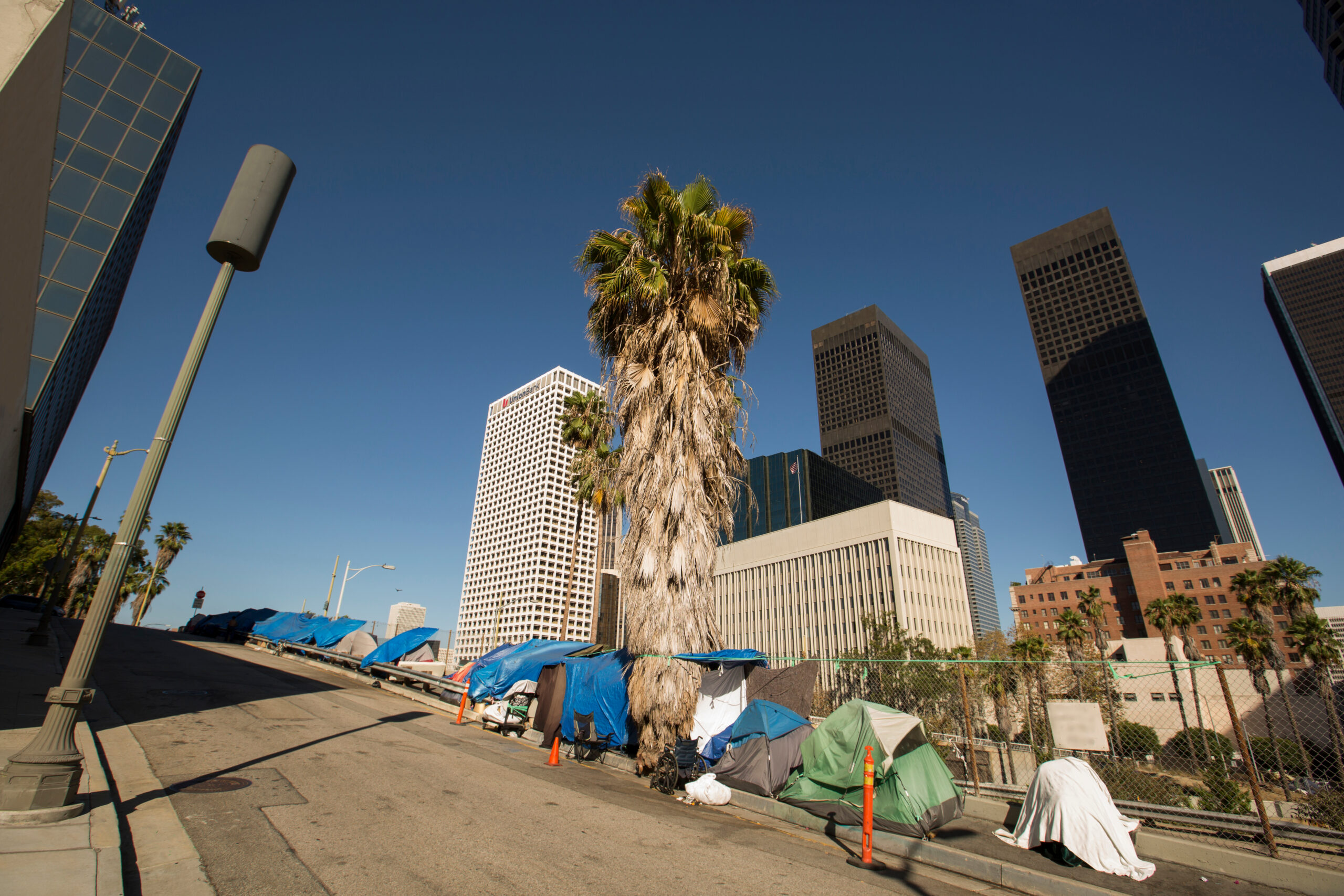
Some of the water-main flooding has run through mayoral candidate Nithya Raman’s own District 4. Called “L.A.’s original democratic socialist insurgent” by the Los Angeles Times, her chief charter concern was expanding the City Council from 15 to 25 seats. The committee shelved that proposal, but think of the time it wasted on nearly doubling the size of the council as century-old pipes beneath the city crumbled. Or think of the billions of dollars the city has spent on homelessness even as the recent count shows homelessness growing.
Los Angeles officials deserve credit for rethinking how the city is governed and for trying to include the public in the process. But it’s hard not to wonder if that time wouldn’t have been better spent trying to simply improve the way it provides its basic services.
Sarah Downey is a journalist who covers political and social policy. She’s reported for Newsweek, the Chicago Tribune and Boston Globe in the United States and overseas.