

A bill that would allow portable solar devices to be installed in apartment complexes and condominiums, as well as in back yards and small patios, is just a Gavin Newsom signature away from becoming law. While it’s a small step for lowering power bills, it is no giant leap toward California energy abundance and affordability. That will require much bolder legislative action.
The Plug and Play Solar Act, Senate Bill 868, is “a simple, low-cost tool” for reducing energy bills. It’s a genuine bipartisan policy, having passed with little opposition. A Senate floor analysis says it could potentially save the tenants of a small apartment $400 to $500 a year.
A “balcony solar” system can cost between $500 and $1,500 “and can shave roughly $15–$50 per month off your electric bill,” according to Energy Sage. The American Solar Energy Society says prices range from around $400 to $2,000.
Whatever the price, the systems aren’t likely to provide more than about 20% of any home’s electricity demand. Helpful but only a partial remedy.
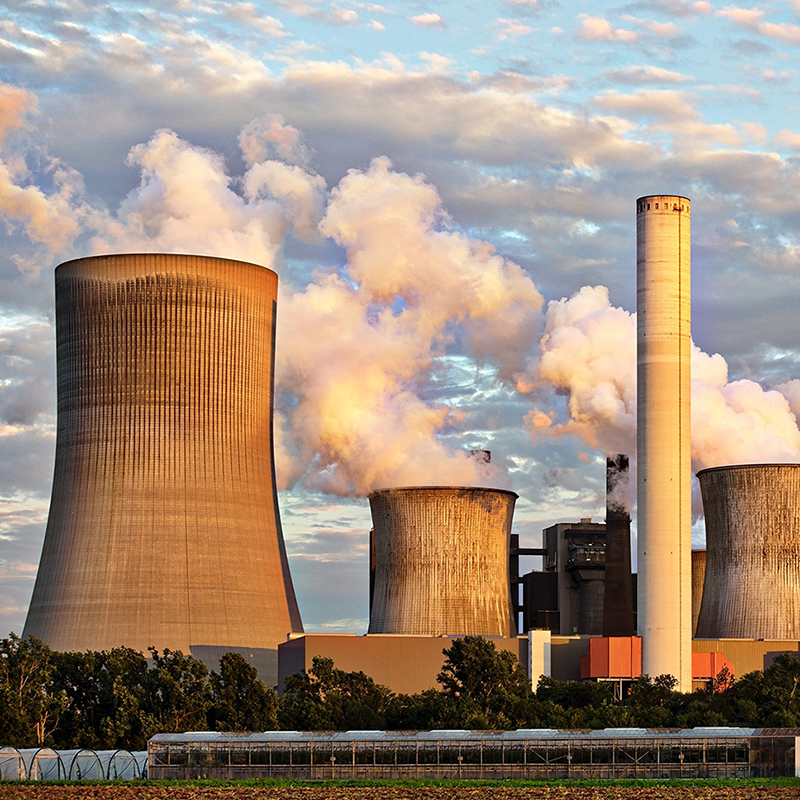
Balcony solar is the present. The future, if lawmakers and regulators will give it a chance, is nuclear, and not necessarily the large plants we’ve seen built in the U.S. since the late 1950s. Small modular reactors, which generate power without interruption, “can be the catalyst for change,” says the International Energy Agency. A small modular reactor, or SMR, is an advanced nuclear reactor that’s able to generate about a third of the production capacity of traditional nuclear power reactors.
Because they have a lesser footprint, SMRs can be placed in locations that cannot accommodate traditional nuclear plants. They are also built differently, with prefabricated units “manufactured and then shipped and installed on site,” says the International Atomic Energy Agency. This makes them more affordable than conventional reactors, “which are often custom designed for a particular location, sometimes leading to construction delays.” With lower costs and faster construction timelines, SMRs “can be deployed incrementally to match increasing energy demand.”
They also emit no carbon dioxide or other greenhouse gases, which should give them favored status in California.
SMRs, sometimes referred to as “back yard nukes,” are often no larger than a common refrigerator, but still muscular enough to provide power to 20,000 homes while buried underground, increasing safety and security. The first commercial operations are expected to begin in four years.
There are of course safety concerns with nuclear energy, but much of the fear is due to its association with nuclear weapons, as well as freak-out government responses to the few accidents on record. The U.S. Energy Department notes that domestic “nuclear power plants are already among the safest and most secure industrial facilities in the world.” Three Mile Island’s partial meltdown in 1979, the nation’s worst nuclear accident, caused zero deaths and produced “no adverse health or environmental consequences.”
The potential of SMRs to light California’s way for decades far beyond the net-zero deadline of 2045 is promising. That is, if lawmakers and regulators can overcome their unreasonable anxieties over atomic power that dates back a half century to when a moratorium was placed on the construction of new commercial nuclear plants. California is one of only eight states that have enacted a nuclear moratorium.
Some lawmakers, however, see the golden possibilities of nuclear and have been trying in recent years to nudge the state forward. Unfortunately, efforts so far have failed.
California should be at the leading edge of SMR development. No state needs as much electricity as California and in no state outside of Hawaii does retail power cost more. Policymakers and activists publicly assure us that solar and wind will meet future energy demands, but privately they likely know better. The activists don’t care and while the policymakers do, they’re afraid to cross the green line the eco-zealots and the media have put down. If the game doesn’t change soon, California is going to find itself with an energy problem that it can neither tax nor regulate its way out of.
Kerry Jackson is the William Clement Fellow in California Reform at the Pacific Research Institute.