

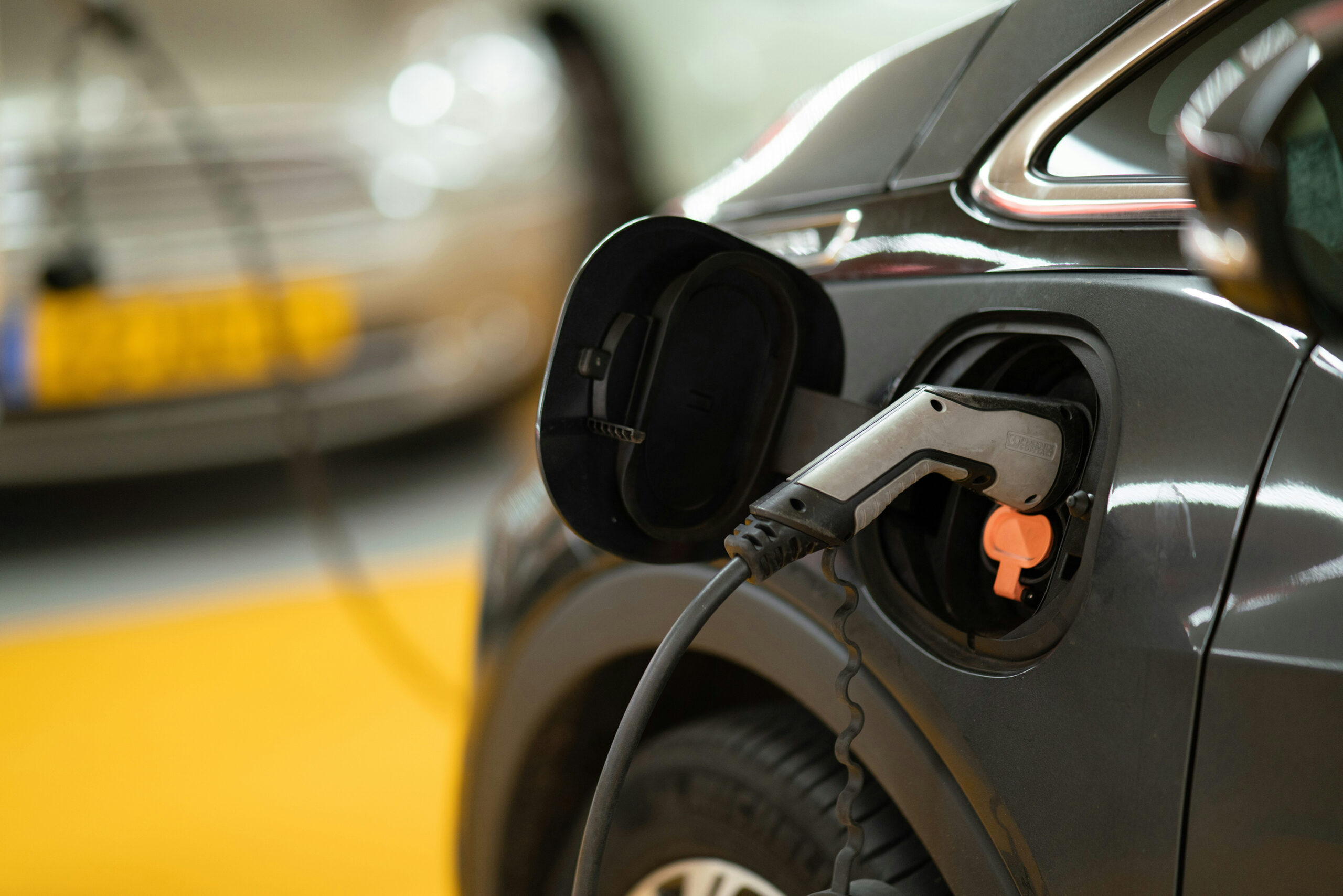
The rebates from the MyFirstEV program, which has no income cap (meaning it’s a subsidy for the wealthy), will be paid by taxpayers and participating automakers who will match the state’s contributions dollar-for-dollar.
The timing is revealing. The rebate arrives just as the nonpartisan Public Policy Institute of California found that two-thirds of Californians now oppose Gov. Gavin Newsom’s 2035 ban on the sale of new gasoline-powered vehicles. This is a 17-point increase in opposition since 2021. Only one-third say they have seriously considered buying an electric vehicle the next time they purchase a car.
A quirk of the law gives carmakers that have California headquarters, such as Rivian and Lucid, an advantage. While the $3,500 can be applied only to new cars that have a manufacturer’s suggested retail price of up to $50,000, there is no dollar limit on vehicles made by “California-headquartered zero-emission vehicle companies.” Tesla, no longer a California company, having moved its base to Austin, Texas, has only two models out of five that will qualify, the Model 3 and Model Y.
The program replaces the $7,500 federal tax credits for new EVs that expired last fall. The aim is to make “it easier for families to drive clean, breathe clean, and keep more money in their pockets,” says Gov. Gavin Newsom. It’s also a clear “message,” he added, that California is leading “the world toward a clean future.”
Newsom says, “no one can stop Californians from choosing” cleaner vehicles. Yet that’s exactly what the 2035 mandate does. It doesn’t merely encourage electric vehicles – it eventually eliminates the alternative by prohibiting the sale of new gasoline-powered cars.
California lawmakers have worked overtime for decades to limit consumers’ choices with a vast array of policies that have directed manufacturers to build automobiles within a narrowly defined framework. They have also distorted consumer choice with bribes — such as rebates — designed to nudge buyers toward politically preferred options.
For many households, buying an EV isn’t a matter of comparing gasoline to electricity. Consumers thinking of buying EVs have to weigh their higher sticker prices, steeper insurance rates, repair expenses that can reach half the car’s value, and California’s punitively high electricity prices, which rival the state’s most-painful-in-the-nation gasoline prices for how much of a family’s income they consume.
It takes years for the lower energy costs to make up the price difference, from as low as three years to as high as 10. One EV in particular, Hyundai’s Ioniq 9, could need 13 years in California to overcome its price premium, say Consumer Reports. These realities explain why many drivers continue choosing conventional vehicles without government incentives.
Electric vehicles also have environmental tradeoffs that Sacramento rarely acknowledges.
When they catch fire, they can burn hellishly hot for extraordinarily long periods, and spew toxic fumes that are more hazardous than the smoke from internal-combustion engine car fires. When recycling, the batteries are considered hazardous material that “can release toxins, including heavy metals that can leak into the soil and groundwater,” says the American Energy Alliance. When tossed into landfills, the batteries become a fire hazard that can set off infernos that last for years.
Rather than listen to those concerns, Sacramento is spending another $135 million trying to persuade taxpayers to embrace a policy they increasingly reject.
California families already pay some of the nation’s highest energy costs and taxes. Asking taxpayers to subsidize another round of vehicle rebates–even for wealthy households that could already afford an EV—only reinforces the perception that Sacramento’s climate agenda matters more than Californians’ cost-of-living concerns.
Kerry Jackson is the William Clement Fellow in California Reform at the Pacific Research Institute and co-author of The California Left Coast Survivor’s Guide.