

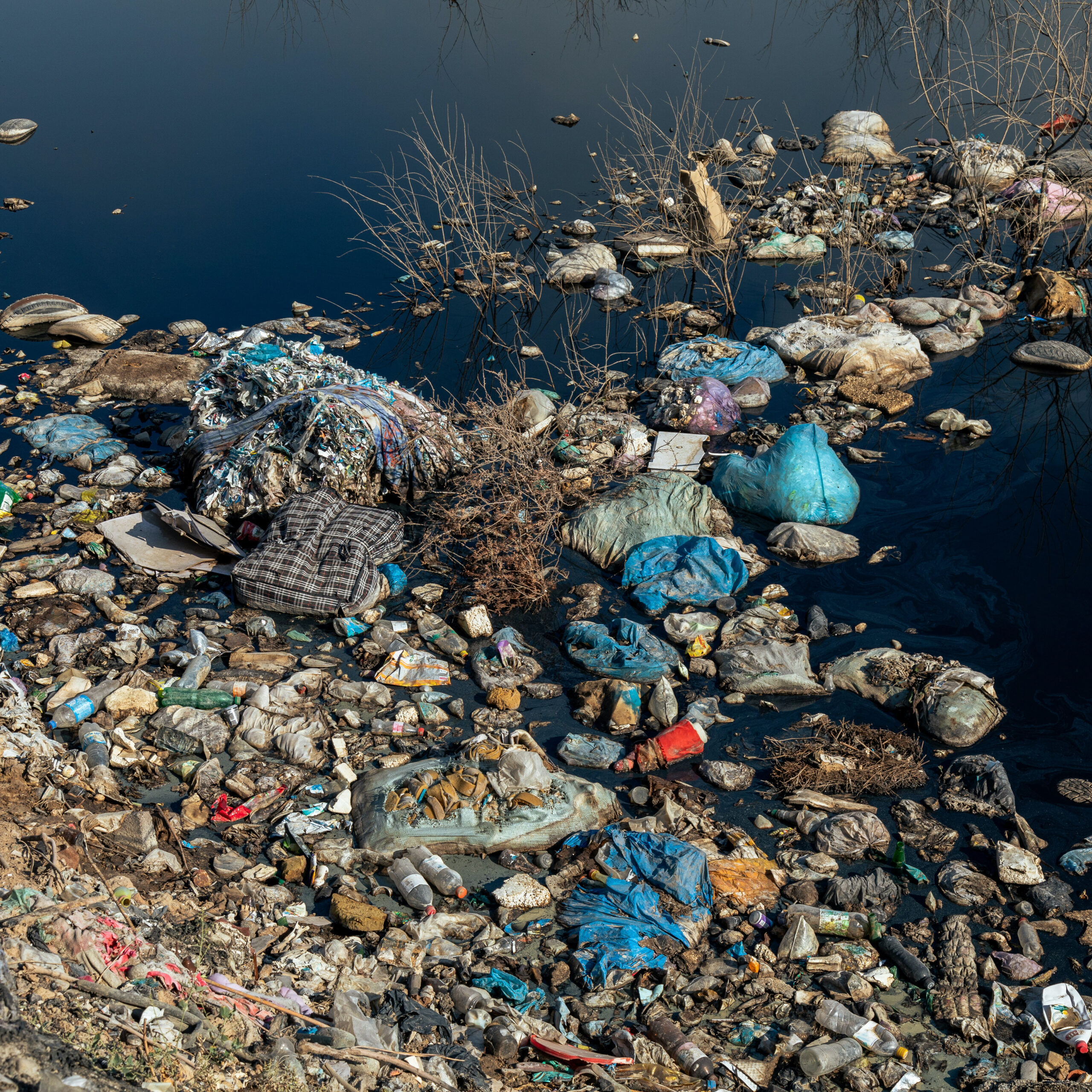
Oakland has become one of America’s most visible symbols of illegal dumping.
Discarded mattresses line neighborhood streets. Sofas, refrigerators, tires, construction debris and bags of household garbage accumulate beneath freeway overpasses, in vacant lots and along roadsides. The consequences extend well beyond appearance. Illegal dumping attracts rodents, creates fire hazards, pollutes waterways, lowers property values and erodes confidence in local government.
Oakland is hardly alone. Illegal dumping has become a persistent quality-of-life problem throughout California. Yet while Governor Gavin Newsom’s Clean California initiative celebrates millions of cubic yards of litter removed and hundreds of community beautification projects, neighborhoods across the state continue to struggle with abandoned mattresses, debris along rural roads and illegally dumped household waste.
California’s response has been anything but passive. Over the past several decades, state and local governments have spent billions of dollars building one of the nation’s most sophisticated waste management systems. Recycling mandates, hazardous waste programs, landfill regulations, transfer stations and environmental education campaigns all reflect a genuine commitment to protecting public health and the environment.
Yet Oakland forces an uncomfortable question: If California has built one of America’s most comprehensive waste management systems, why does illegal dumping remain such a persistent problem?
The answer may lie not in a lack of government effort, but in how government chose to solve the problem. Like many public programs, California’s waste disposal system evolved one regulation at a time. Every legitimate concern produced another rule, category, or procedure. Individually, they make sense. Collectively, they produced a system that increasingly reflects the needs of the bureaucracy more than the realities of the people expected to use it.
Managing waste and helping people dispose of it are not the same thing. California’s system begins with environmental compliance, recycling targets, hazardous materials, permitting, inspections and regulatory oversight—and expects citizens to adapt.
Consider what that looks like in practice.
Santa Cruz County’s disposal schedule spans six pages and 2,300 words of fees, waste classifications, special handling requirements, hazardous waste rules and operating hours. San José’s Residential Garbage and Recycling Guide follows the same philosophy, expecting residents to understand food waste separation, electronics recycling, hazardous waste appointments, junk pickup procedures and Zero Waste requirements before they ever leave the driveway.
None of these individual requirements is unreasonable—experiencing them all at once is.
There is another irony. Consumers have remarkably little control over the waste stream they inherit. Manufacturers decide how products are designed, packaged and whether they require special disposal. Yet when those products reach the end of their useful lives, nearly the entire burden shifts to the resident, who must learn the rules, pay the fees, transport the materials and navigate an increasingly complex disposal system.
Imagine cleaning out a garage after twenty years. What appears to be one pickup load of ordinary household debris suddenly becomes multiple waste streams, multiple fee schedules, multiple destinations and multiple operating hours.
The direct costs begin almost immediately. Landfill fees can easily exceed $100 before accounting for fuel or transportation. If you work Monday through Friday, Saturday may be your only realistic opportunity to visit the landfill. Before arriving, you’ve already spent time sorting materials and deciphering disposal rules.
By the time everything has been legally disposed of, a trip to the DMV almost sounds like fun.
Oakland also deserves some fairness. Illegal dumping is highly mobile. Waste crosses city boundaries easily, helping explain why rural roads, creek beds, railroad rights-of-way and freeway embankments become dumping grounds. These places do not generate the waste; they simply offer distance, darkness and a lower likelihood of detection.
Good public policy makes lawful behavior easy. Bad public policy and cumbersome procedures encourage scofflaws.
None of this argues for abandoning environmental protections. The challenge is achieving those goals through a system designed around users rather than bureaucracy.
Government measures recycling rates, landfill diversion, and inspections. Residents measure something much simpler: Are the streets cleaner? Is there less illegal dumping? Can a truckload of household waste be legally disposed of without sacrificing an entire Saturday?
California should make lawful disposal dramatically easier than unlawful disposal by expanding operating hours, simplifying pricing, creating one-stop household drop-off centers and judging success by cleaner neighborhoods rather than more sophisticated administration. Pricing should be predictable and where practical, free.
California has built an impressive waste management system.
The objective was never to create the nation’s most elaborate regulatory framework. It was to create cleaner neighborhoods, healthier communities and public spaces where doing the right thing is easier than doing the wrong thing.
Now it needs to build a more user-friendly waste disposal system around the people expected to use it.
Steve Smith is a senior fellow in urban studies at the Pacific Research Institute, focusing on California’s ongoing crime challenges.