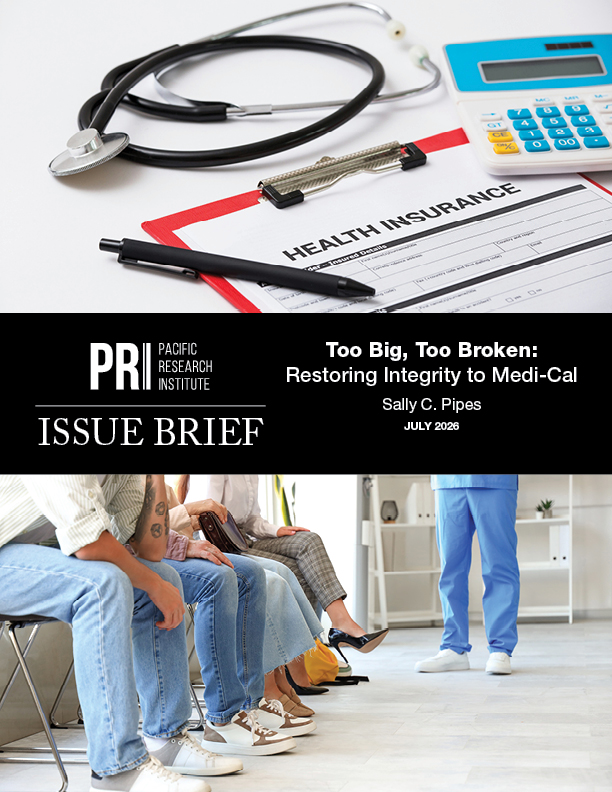
New PRI Study: California’s Medi-Cal Crisis Leaves Taxpayers Paying for Fraud, Waste, and Runaway Costs
SACRAMENTO – Just weeks after California approved a record state budget of $351.7 billion for fiscal year 2026-27 that scaled back portions of its Medi-Cal expansion because of soaring costs, and as the federal government announced it was pausing $867.5 million in Medicaid payments to California, the Pacific Research Institute today released a new issue brief warning that the program has become increasingly vulnerable to fraud, waste, and fiscal mismanagement. Click here to download “Too ...
New Study: States Could Save Up to $1.8 Billion Annually by Prioritizing Lower-Cost Biosimilar Medicines
At a time when states across the country are grappling with significant budget challenges, a new study from the Center for Medical Economics and Innovation at the Pacific Research Institute – the nonpartisan, California-based, free market think tank – finds that state employee health plans could save up to $1.8 billion every year by making greater use of lower-cost biosimilars. Click to download the study, The Biosimilar Savings Opportunity: Prioritizing Biosimilars Will Generate Significant Savings ...
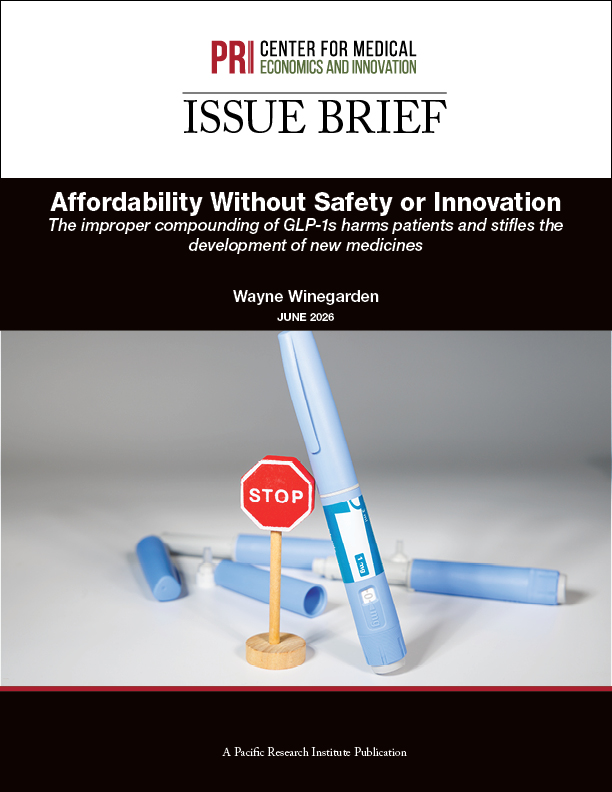
Unauthorized GLP-1 Knockoffs Risk Patient Safety and Future Innovation, New PRI Brief Warns
As federal regulators intensify enforcement against companies selling unauthorized knockoffs of blockbuster weight-loss drugs, a new Pacific Research Institute brief warns that the booming GLP-1 knockoff market is creating patient safety risks while undermining future breakthrough medicines. “GLP-1s are among the most promising medical breakthroughs in decades, helping patients struggling with diabetes, obesity and other chronic illnesses,” said Dr. Wayne Winegarden, director of PRI’s Center for Medical Economics and Innovation and the brief’s author. “But ...